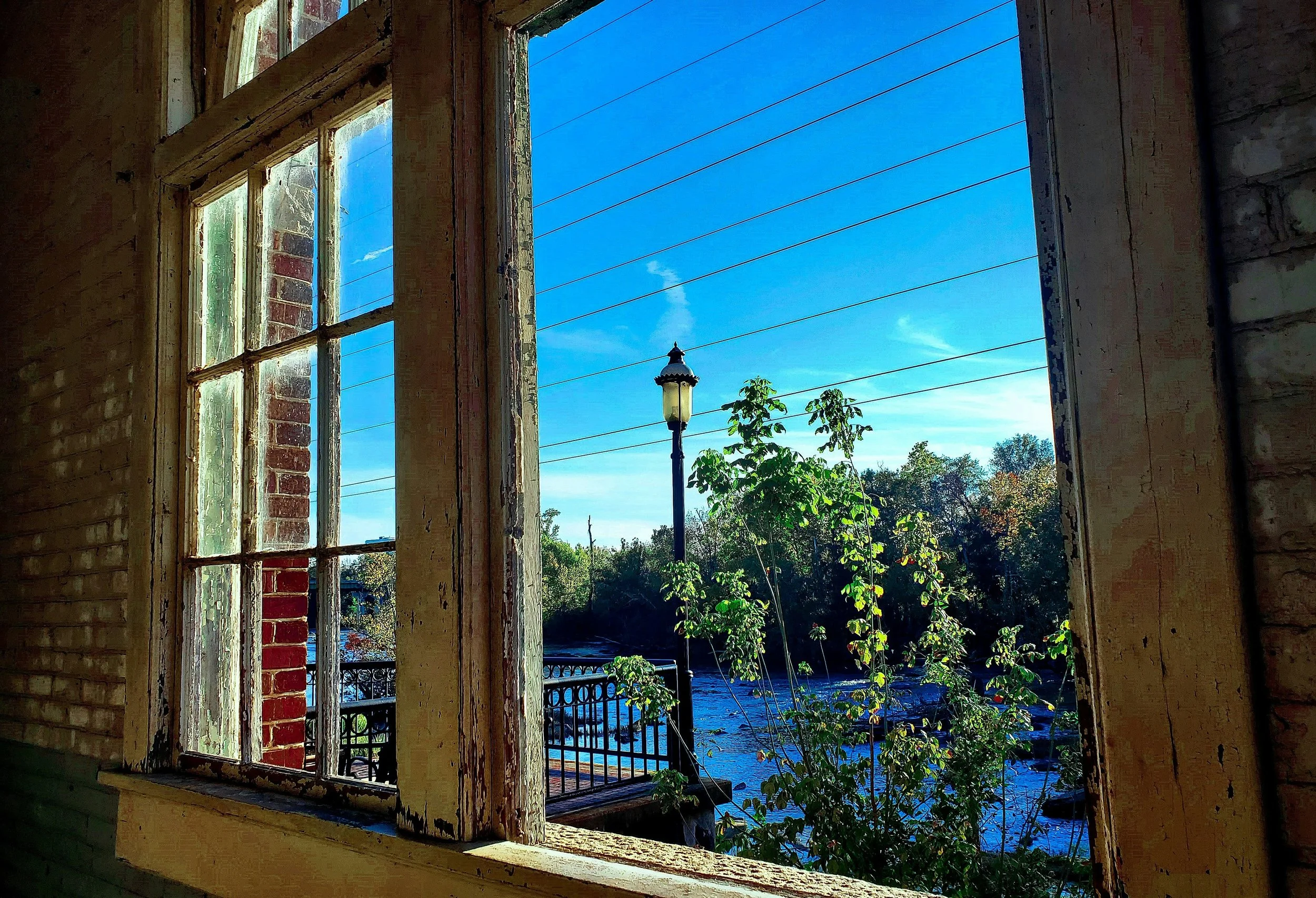
What Has It Cost Me?
There's a question worth sitting with: what has it actually cost you to keep saying yes, to keep pretending you're fine? Chris Eckols unpacks the real price men pay for staying quiet, and offers a different way through.

Trust Your Indications
A submarine Commanding Officer taught me to trust my indications, the signs all around telling the truth whether you want to believe it or not. The same principle applies to money: rising debt, thin savings, and a paycheck that disappears on arrival are indications too. Stop rationalizing them away.

Why I Stopped Listening to the Loudest Voice in the Room
He signed up for the club's one free tournament, played the back tees two weeks after foot surgery, and finished dead last both days. What stuck with him wasn't the score. It was what he overheard in the clubhouse afterward, and the choice he made about whose voice gets to matter.

Designing an optimized space
A trip to Pottery Barn turned into a lesson in intentional living. Clear out everything but the anchor points, then decide what's worth bringing back. Chris Eckols on why less stuff, less schedule, and less weight all start with the same move: subtraction before addition.
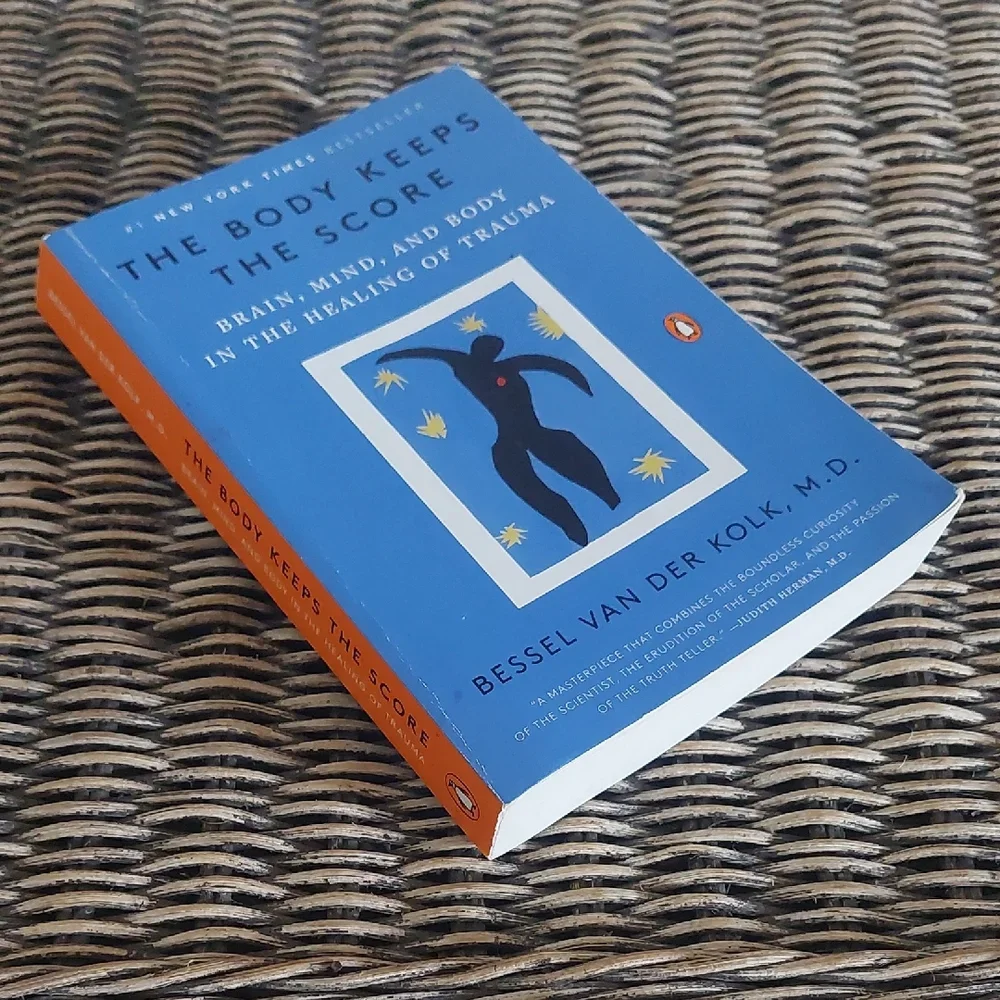
What your body knows before your mind admits it
Your mind knows how to lie to you, but your body doesn't. A rough morning, a bitten fingernail, and a missed workout led to a simple realization: when our habits slide, our frequency slides with them, and it bleeds into everything around us.

How to Save yourself from Life’s surprises
Margin isn't just a line on a P&L. It's the space between what you expect and what actually happens, and when a friend's income vanished overnight or another friend's cough turned into a hospital stay, the ones with margin were the ones who could bend instead of break.
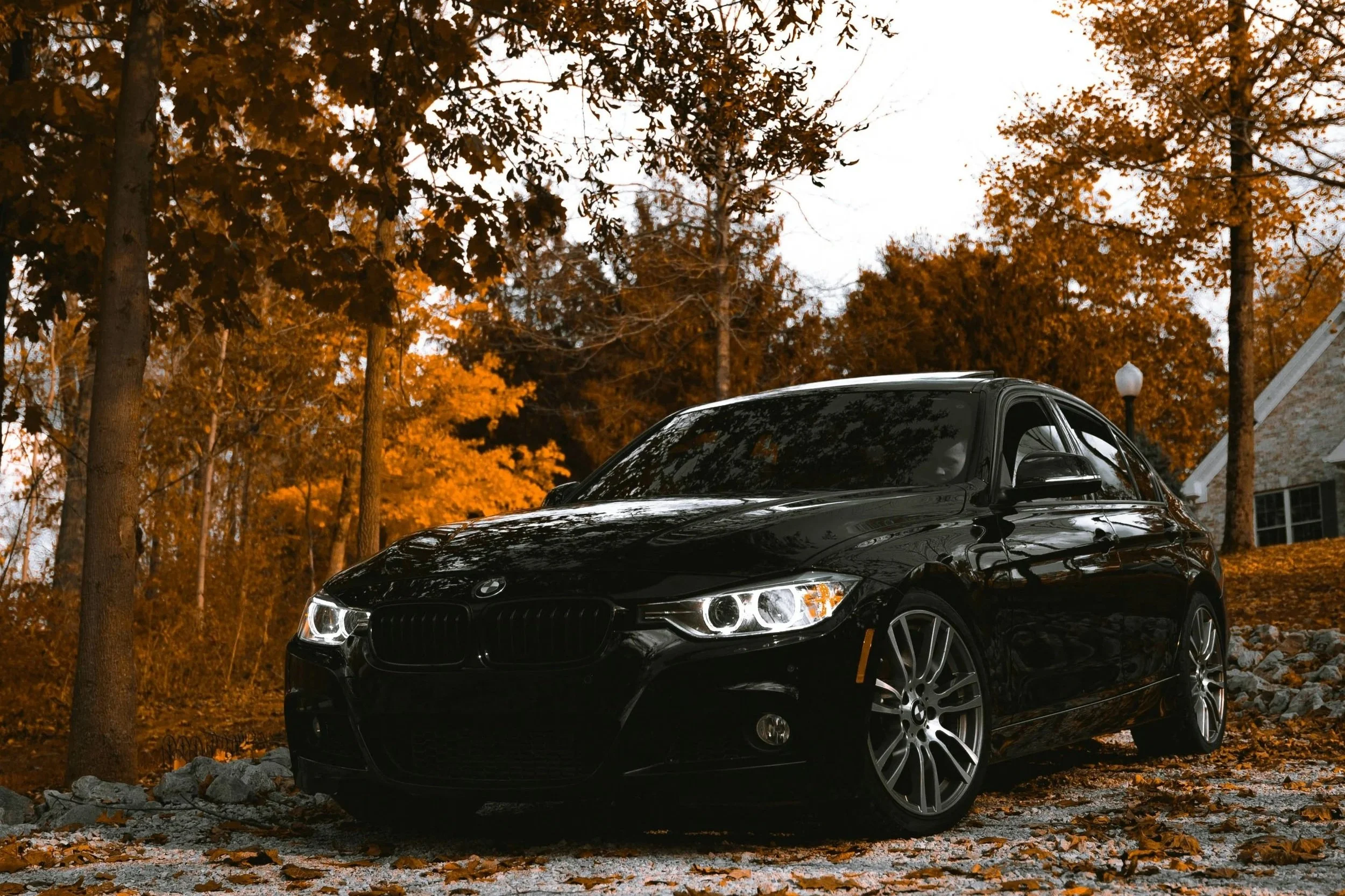
What Do You Think of a Car Payment?
A friend calls with a paid-off car and a $280 payment burning a hole in his plan to save. Chris's advice surprises him: keep the payment. Here's the math, and the mindset, behind why.

Running Central Park
He promised himself that next time he was in New York, he'd run Central Park. No excuses. Two years and one broken promise later, he laced up in 22-degree weather and found out the cold was never really the problem.

A Rebel in Bondage
She was drawn to the rebel. The disheveled, unpredictable version of him that never quite made it home on time. He spent years believing that was the price of being wanted. Then one question changed everything, and the rebel he became looked nothing like the one she fell for.
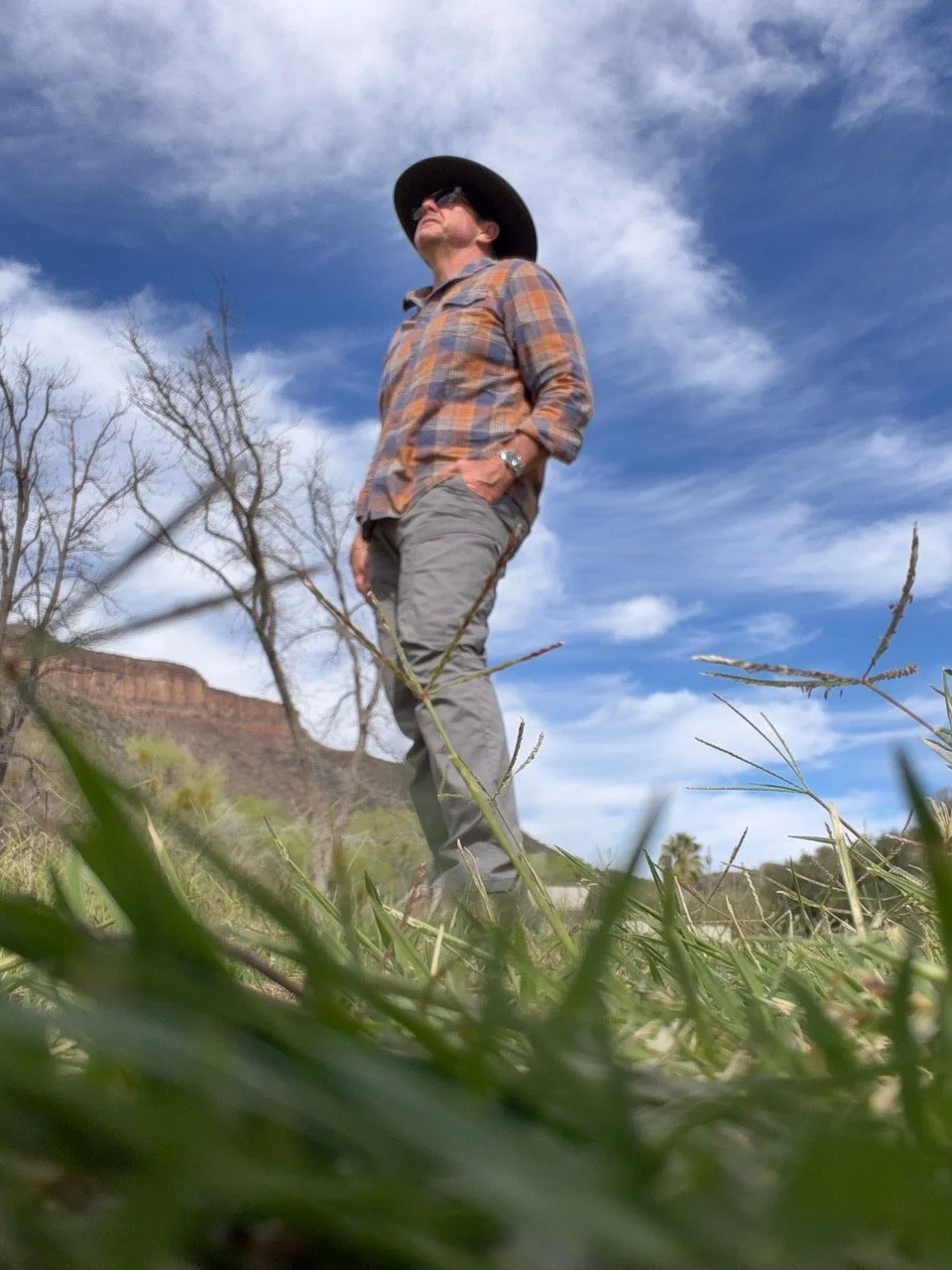
The path down is the way up
Alone in an ancient canyon, on a trail with nothing but a jumping cactus for company, Chris Eckols realizes the descent and the climb are the same path. A meditation on solitude, fear, and the pull to be witnessed even when the moment isn't for anyone but him.
One Last Thing To Do
An unfinished project always has a built-in defense: it's not done yet. Chris Eckols unpacks the quiet, protective logic of the open tab — and why hitting send is so much harder than it looks.

Be done with it, if you can
When Wayne backed into a friend's car, his instinct was to negotiate, compare estimates, and drag it out. Chris had three words for him: write a check. Sometimes the smartest financial move is the simplest one — and knowing the difference is exactly what an emergency fund is for.

Cutting the Habit
Cutting alcohol after 34 years isn't a dramatic moment — it's more like getting rid of a car you've driven so long you forgot it was separate from you. Chris Eckols uses that analogy to describe what change actually feels like from the inside.
Important! But to Who?
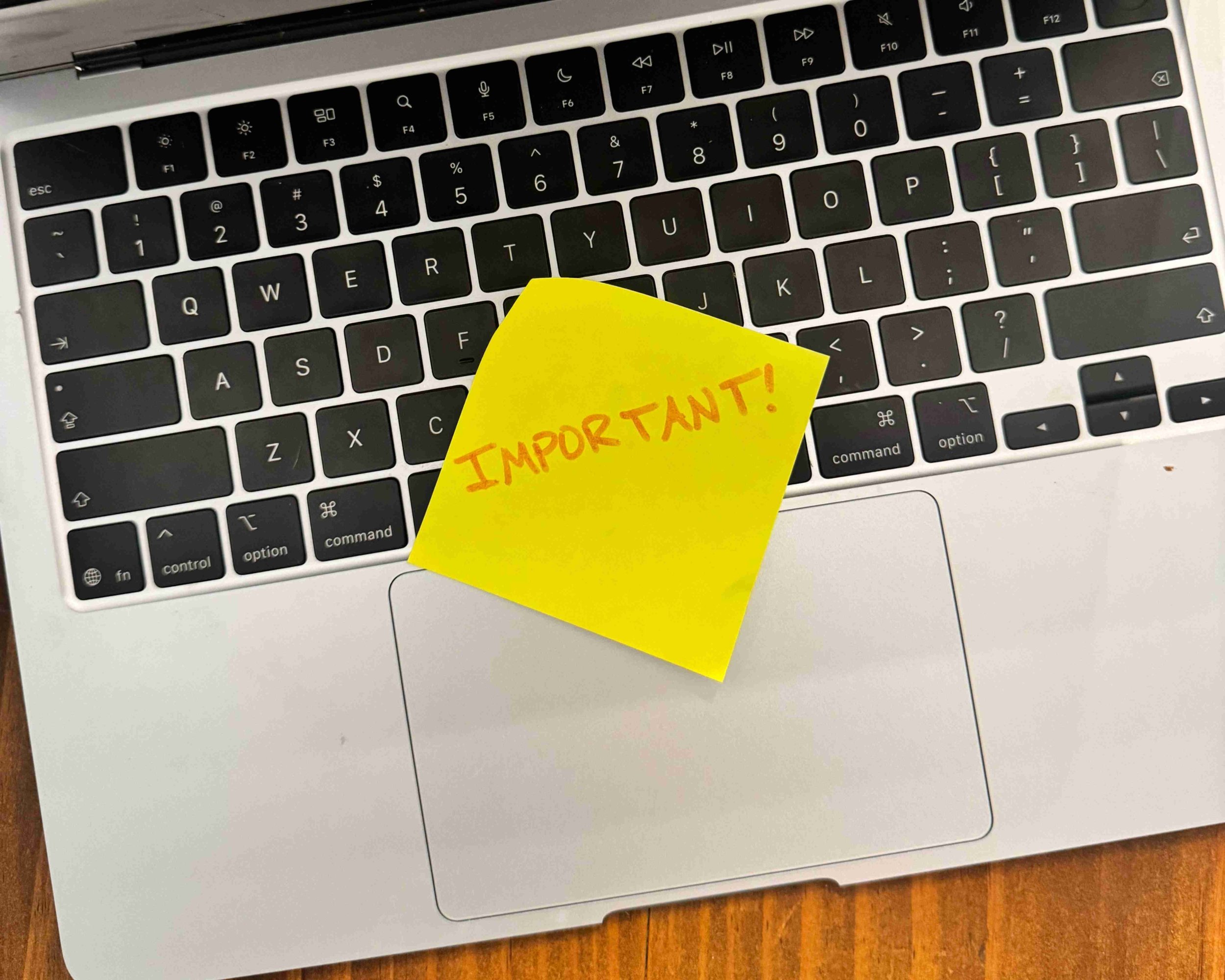
Not everything stamped “important” actually is — at least not to you. Chris Eckols breaks down one of marketing’s oldest tricks: using urgency to hijack your attention before you’ve had a chance to ask whether it matters. One question cuts through all of it.

Why Does Chris Have Two of Everything?
A 13-year-old's simple question exposed a hard truth: the more we own, the more anxious we become. Here's how getting light changed everything.

Sometimes the Order Doesn’t Matter
The pieces of my sobriety are coming one by one, in a disordered fashion. I don't yet know how they'll fit together — but I'm open to what's possible.
Behind the pantry door
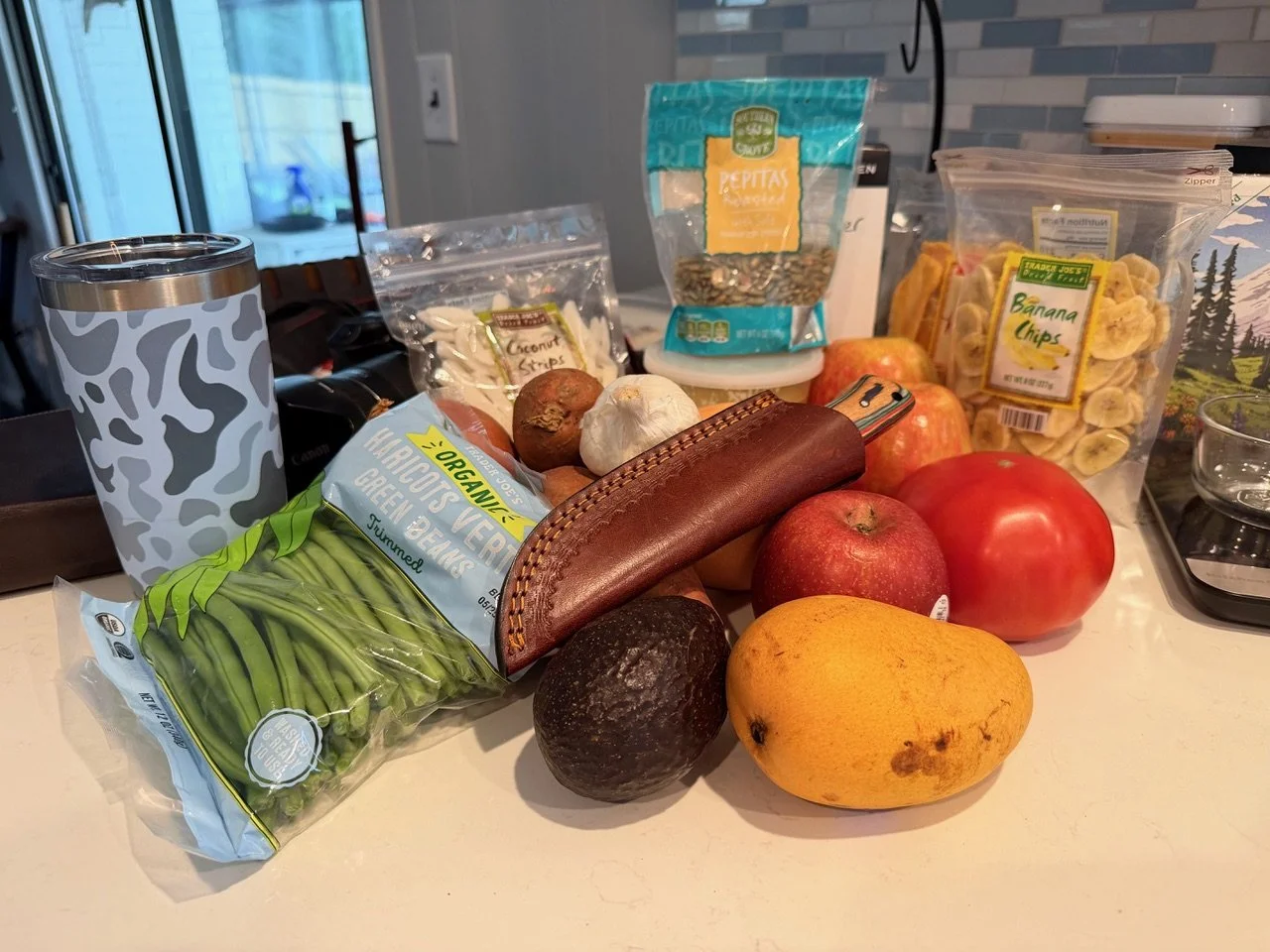
I wonder how many times people have bought something they already own, something they'd long forgotten about. Things get tucked behind closed doors, way in the back. You forget about them, so you buy more. This causes problems, don't you know?